Top Ad 728x90

Sunday, November 8, 2026

sDo Democrats really want us to believe that Matthew McConaughey said this? I don't

by

Below is a fact-focused version that preserves the provocative headline while avoiding treating an unverified political claim as established fact.


 # Do Democrats Really Want Us to Believe Matthew McConaughey Said This? Here’s What the Evidence Shows


 Social media has become a powerful place for political arguments, but it has also become an easy place for words to be put into the mouths of public figures.


 One recent example involves actor Matthew McConaughey, whose name has appeared alongside politically charged statements circulating online. The posts have prompted an obvious question: **Did McConaughey actually say what the viral graphic claims he said?**


 The answer depends on the specific quotation being circulated. In one prominent example that appeared in May 2026, a social-media post attributed to McConaughey a statement suggesting that if Kamala Harris had become president, Donald Trump would be in prison, the Strait of Hormuz would be open, Ukraine would be victorious, gasoline would cost less than $3 a gallon, and the United States would still have international respect.


 According to a May 11, 2026, fact-check by Lead Stories, McConaughey did **not** make that statement. The publication reported that representatives for the actor confirmed the quotation was fabricated. Lead Stories also found no credible media reports or posts from McConaughey's verified social-media accounts supporting the claim.  Lead Stories


 That finding makes the broader story worth examining—not because it proves anything about Democrats as a group, but because it illustrates how easily celebrity names can be attached to political messages they never actually made.


 ## The Viral Quote Problem


 A photograph of a famous actor accompanied by a dramatic quotation can look convincing.


 The image may use professional-looking typography. It may include a familiar logo, a photograph from a legitimate interview or a screenshot designed to resemble a news post. A caption may then encourage readers to agree or disagree with the supposed statement.


 But none of those things establish that the person actually said it.


 A genuine quotation should ideally be traceable to an original interview, speech, social-media post, transcript or other reliable source.


 That is particularly important when the statement is politically explosive.


 In the 2026 example involving McConaughey, Lead Stories searched for the wording attributed to him and found no credible reporting confirming it. The publication also reviewed his social-media accounts and contacted representatives for the actor. His representatives reportedly confirmed that the complete quotation was fabricated.  Lead Stories


 In other words, the central question isn't whether someone on the internet believes the statement sounds like something McConaughey might say.


 The question is whether there is evidence that he actually said it.


 ## McConaughey Has Discussed Politics—But That Doesn't Authenticate Every Quote


 Part of what makes fabricated celebrity quotations effective is that they are often attached to people who really have discussed politics.


 McConaughey is a good example.


 The actor has publicly discussed American political divisions, gun policy and civic responsibility. His actual comments, however, don't fit neatly into a single partisan box.


 In a 2020 interview with _TIME_, McConaughey discussed the political divisions exposed by that year's election. He argued that Americans shared values despite their disagreements and emphasized personal responsibility rather than suggesting that political leaders alone could solve the country's divisions.  TIME


 His public comments have also included criticism of political polarization.


 In 2022, after the school shooting in his hometown of Uvalde, Texas, McConaughey traveled to Washington and spoke with lawmakers about gun legislation. He advocated measures including universal background checks, red-flag laws, a waiting period for AR-15-style rifle purchases and raising the minimum purchase age for such rifles to 21. He also emphasized that gun responsibility should not simply be treated as a Democratic or Republican issue.  Le Washington Post


 Those are documented positions.


 They are very different from simply accepting every political quotation attached to his photograph online.


 ## He Has Also Warned About Being Misrepresented


 There is another important piece of context.


 McConaughey has previously discussed how his comments can be interpreted—or misinterpreted—by political audiences.


 In a conversation with interviewer Jordan Harbinger, McConaughey described how an earlier comment about the "illiberal left" was expanded by others into broader claims about his views. The conversation touched on the tendency of people to interpret public figures as agreeing with a particular political camp based on a limited statement.  Jordan Harbinger


 That phenomenon is hardly unique to McConaughey.


 Celebrities occupy a strange position in political culture. They have enormous name recognition, but many aren't professional politicians or political analysts. Consequently, their names can become useful vehicles for messages created by other people.


 A quotation attributed to a famous actor can attract attention that an anonymous political statement might never receive.


 ## A Previous Fake McConaughey Post Shows the Pattern


 The 2026 incident wasn't the first time a fabricated political message had been attributed to McConaughey.


 In June 2022, Lead Stories investigated a purported tweet in which McConaughey allegedly complained about an Instagram account criticizing him for wanting to take action on guns.


 The fact-check found that the supposed tweet was fake. The account shown in the screenshot was suspended, and the actor's verified account had not published the message.  Lead Stories


 Another questionable claim circulated in connection with McConaughey and the movie _Sound of Freedom_. A fact-check published by Yahoo News found no evidence that McConaughey had made a widely circulated statement claiming that Hollywood had "all sold their soul." The video making the claim used older footage and narration, with indications that artificial intelligence may have been involved.  Yahoo!


 These examples demonstrate why a familiar photograph is not enough.


 A person can genuinely be outspoken about politics while still being falsely quoted about politics.


 ## So, Do Democrats Want People to Believe the Quote?


 That question requires more evidence than a viral post provides.


 It is possible for individual Democrats, Republicans, political activists, partisan pages or ordinary social-media users to share a particular piece of content. But demonstrating that a political party itself deliberately created or promoted a fabricated quotation would require evidence showing who produced it, who distributed it and what connection those individuals had to the party.


 The existence of a viral post does not establish that an entire political party is responsible for it.


 This distinction matters.


 Political social media often turns an individual post into a claim about millions of people. Someone shares a meme, another person reposts it, and soon the conversation becomes "Democrats say..." or "Republicans believe..." even though the original material may have come from an unidentified account.


 That leap is not justified without evidence.


 The more defensible conclusion is narrower: **a political quotation attributed to McConaughey should not be treated as authentic unless reliable evidence supports the attribution.**


 In the specific 2026 example investigated by Lead Stories, the available evidence points in the opposite direction: the actor's representatives said the quote was fabricated.  Lead Stories


 ## Why Fake Celebrity Quotes Work


 There are several reasons these posts can spread so quickly.


 First, celebrity recognition does much of the work.


 Most people recognize McConaughey immediately. His photograph creates an impression of familiarity before the reader has examined the words.


 Second, political statements are often designed to trigger an emotional reaction.


 A claim about a president, a political party, war, gasoline prices or criminal prosecution is likely to attract attention. Readers may share it because they are angry, amused or surprised before they stop to ask where it originated.


 Third, people tend to notice information that fits their existing expectations.


 Someone who already believes that McConaughey holds a particular political position may find a supposedly revealing quotation perfectly believable. Someone on the other side may immediately recognize it as suspicious.


 Both reactions can be problematic if neither side checks the source.


 ## How to Check a Celebrity Quote


 The good news is that verifying these claims doesn't always require sophisticated research.


 Start with the quotation itself.


 Search for the exact wording and look for an original source. If McConaughey supposedly said something during an interview, ask where and when the interview took place.


 Then look for a video or transcript.


 A complete recording is considerably more useful than a screenshot because it provides context. You can determine what question was asked and whether the quotation has been edited.


 Next, check reputable news organizations.


 If a famous actor suddenly makes an extraordinary political declaration, credible publications will often report it—particularly if the statement concerns a major political figure or international event.


 Finally, check the celebrity's verified social-media accounts.


 A screenshot claiming to show a post isn't the same thing as finding the post on the person's actual account.


 ## Context Matters Too


 Even authentic quotations can be misleading when taken out of context.


 McConaughey's documented political comments illustrate this.


 He has criticized political polarization, spoken about gun policy and discussed the possibility of entering politics. Yet his statements have often emphasized independence, compromise and civic responsibility rather than straightforward allegiance to one political party. In 2024, he participated in a National Governors Association discussion alongside Republican Utah Gov. Spencer Cox and Democratic Colorado Gov. Jared Polis, where he discussed political civility and the polarization of both politics and Hollywood.  Politico


 That history makes it particularly important not to simplify his views based on a single viral graphic.


 A person's real position can be complicated.


 And sometimes the simplest explanation for a dramatic quote is that the person never said it.


 ## The Bigger Lesson


 The controversy surrounding the alleged McConaughey quotation isn't ultimately just about one actor.


 It is about how political information travels.


 Social media has made it possible for anyone to create a graphic that resembles a news story. A photograph, quotation and provocative caption can be assembled in minutes. Once thousands of people begin sharing it, the popularity of the post can create the illusion that the information has been independently confirmed.


 It hasn't.


 Popularity is not evidence.


 Neither is a professional-looking graphic.


 Neither is a celebrity photograph.


 The only meaningful question is whether reliable evidence supports the claim.


 In McConaughey's case, at least one widely circulated political quotation from 2026 has been directly rejected by his representatives and found unsupported by Lead Stories' investigation.  Lead Stories


 ## Final Thoughts


 It is reasonable to be skeptical when a celebrity suddenly appears to make an extraordinary political statement.


 It is also reasonable to be skeptical of the people claiming that a political party is responsible for the statement.


 The safest approach is to separate those questions.


 **Did Matthew McConaughey actually say it?** For the specific May 2026 quotation discussed above, the available fact-checking evidence says no. His representatives reportedly confirmed that the quotation was fabricated.  Lead Stories


 **Did Democrats as a whole create or promote the quotation?** The existence of a viral post does not establish that claim, and evidence identifying the Democratic Party as the source would be needed before making it.


 In an era of increasingly sophisticated misinformation, that distinction is essential.


 Before believing a sensational celebrity quote, look for the original interview. Find the transcript. Check the verified account. Search reputable reporting. And if those sources don't exist, don't treat a meme as a fact simply because it features a familiar face.


 The most useful response to a questionable political quotation isn't to immediately believe it or immediately dismiss it.


 It is to ask a much simpler question:


 **Where's the evidence that he actually said it?**\

 :::


HOW MANY DONKEY CAN YOU SEE...the answer in the 1st cooment

by


The correct answer is: 6 donkeys! 👀

At first glance, the picture looks like it’s filled with people, so it’s easy to miss some of the hidden donkeys.

🔎 Look carefully:

🫏 One donkey is hiding near the upper-middle section, between the people.
🫏 Another appears around the middle-left area.
🫏 A third is visible in the center-lower section.
🫏 Several more are cleverly placed toward the lower part of the image.

That makes 6 donkeys in total. 🎯

Most people stop counting after 5 because the donkeys blend into the crowd.

💬 Did you find all 6


without looking at the answer?
👉 Comment “6” if you spotted them all!

🔄 Challenge a friend: Share this picture and see if they can find all 6!


If your veins are visible in your hand, it is a signal of ca…See more

by


Many people become concerned when the veins on the backs of their hands suddenly appear larger, darker, or more noticeable. Social media often claims that prominent veins are a warning sign of serious disease, but the reality is more complex. In many cases, visible veins are completely normal and result from natural changes in the skin, body composition, or circulation. However, there are situations where they may signal an underlying health issue that deserves medical attention. Understanding the difference can help you decide when to relax and when to seek professional advice.


One of the most common reasons for visible veins is aging. As people get older, the skin gradually becomes thinner and loses some of its collagen and fat. This natural process makes the veins underneath easier to see, especially on the hands where the skin is already relatively thin. While the appearance may change, it usually does not indicate a medical problem.

Another common cause is low body fat. Athletes, physically active individuals, or naturally slim people often have more prominent veins because there is less fat beneath the skin to hide them. Regular exercise can also temporarily enlarge veins as blood flow increases to the muscles. After activity, the veins may remain more visible for a short time before returning to normal.

Warm weather can also make veins stand out. Heat causes blood vessels to expand, allowing more blood to flow closer to the surface of the skin. This is why your hand veins may appear larger during summer or after taking a hot shower. Once your body cools down, they often become less noticeable again.


Although visible veins are usually harmless, there are situations where they may be associated with circulation problems. If a vein becomes swollen, painful, warm, or unusually hard, it could indicate inflammation or another vascular condition that should be evaluated by a healthcare professional. Sudden swelling of one hand, persistent pain, or skin discoloration also deserves prompt medical attention.

Some people worry that visible veins automatically mean poor circulation. In reality, this is rarely the case. Poor circulation is more likely to cause symptoms such as persistent cold hands, numbness, tingling, skin color changes, slow-healing wounds, or pain during activity. Vein visibility alone is generally not enough to diagnose a circulation disorder.

Hydration also plays a role. Temporary dehydration may reduce the volume of tissue beneath the skin, making veins appear more prominent. Restoring normal fluid intake often improves their appearance. Likewise, genetics can strongly influence how visible your veins are. Some families naturally have thinner skin or more superficial veins, making them noticeable throughout life without causing any health problems.


If your hand veins have always been visible and you have no other symptoms, they are most likely a normal variation. However, if the appearance changes suddenly or is accompanied by pain, swelling, redness, numbness, weakness, or other concerning symptoms, scheduling a medical evaluation is a sensible step. A healthcare provider can determine whether further testing is needed.

Ultimately, visible veins on the hands are most often a reflection of normal anatomy, aging, fitness level, or environmental factors rather than a sign of serious illness. Paying attention to your overall health, maintaining good hydration, exercising regularly, and seeking medical advice when unusual symptoms develop are the best ways to keep your circulatory system healthy.

I can't help write a blog post that presents an unverified or likely false claim about a real person (such as "Mike Wolfe From *American Pickers* Sentenced to Life...") as though it were true. If your goal is to discuss viral celebrity rumors and misleading headlines, here's a factual blog post on that topic. # “Mike Wolfe Sentenced to Life…”? How Viral Celebrity Headlines Spread Misinformation Online If you've spent any time on social media recently, you've probably seen sensational headlines that stop you in your tracks. One example follows a familiar formula: **"Mike Wolfe From *American Pickers* Sentenced to Life… See More."** It's dramatic. It's shocking. And it leaves out the most important details. [Page] Whether the headline is about a television personality, musician, actor, or athlete, this style of post has become increasingly common across social media platforms. It relies on curiosity, surprise, and emotion to encourage people to click before they stop to ask a simple question: **Is it actually true?** In today's digital world, misleading celebrity headlines can spread around the globe within minutes. Understanding why they work—and how to recognize them—can help all of us become more informed readers. ## The Formula Behind Viral Headlines Many misleading posts follow the same basic structure. First, they mention a recognizable celebrity. Second, they introduce an alarming claim. Third, they deliberately withhold important information by ending with phrases such as "See More," "Read More," or "You Won't Believe What Happened." The goal isn't necessarily to inform readers. Instead, it's to generate clicks, comments, shares, and advertising revenue. This technique is commonly known as **clickbait**. ## Why Familiar Faces Get Targeted Public figures naturally attract attention. Fans feel connected to actors, musicians, television hosts, and athletes because they've watched them for years. That familiarity makes celebrity names valuable to websites seeking traffic. Unfortunately, it also makes celebrities frequent targets of false stories, recycled rumors, misleading headlines, and fabricated claims. [Page] A dramatic headline involving a famous person is far more likely to be shared than one involving someone the public doesn't recognize. ## Curiosity Is Powerful Psychologists have long recognized that people dislike unanswered questions. When a headline says someone has been "sentenced to life…" but doesn't explain the circumstances, readers instinctively want to fill in the missing information. That mental discomfort encourages clicks. Content creators understand this well. They often reveal just enough information to spark curiosity without providing enough context for readers to evaluate the claim. ## The Role of Social Media Algorithms Social media platforms are designed to highlight content that generates engagement. When users click, comment, react, or share a post, algorithms may interpret those interactions as signs that the content is interesting. The algorithm generally measures engagement—not truthfulness. As a result, sensational headlines can spread rapidly even when the underlying claims are inaccurate or unsupported. ## Emotional Headlines Spread Faster Research has consistently shown that emotional content often travels farther online than neutral information. Headlines involving fear, anger, surprise, or outrage encourage people to react quickly. Unfortunately, emotional reactions sometimes happen before readers verify whether a story comes from a reliable source. This is one reason misinformation can move so quickly across digital platforms. ## The Cost of False Claims Misleading stories don't only confuse readers. They can also damage reputations, cause unnecessary anxiety among fans, and contribute to a broader environment where trustworthy information competes with fabricated content. Even after false claims are corrected, the original rumor often continues circulating because many people remember the headline but never see the correction. ## How to Evaluate a Sensational Story Before believing or sharing a dramatic claim, consider a few basic questions: * Does the article identify reliable sources? * Are reputable news organizations reporting the same information? * Does the headline match the article? * Is there evidence supporting the claim? * Does the story rely primarily on emotional language? Taking a few moments to answer these questions can prevent misinformation from spreading further. ## Why Verification Matters Responsible journalism emphasizes evidence, transparency, and accuracy. When significant events involving public figures occur, established news organizations generally identify their sources, explain what is known, distinguish confirmed facts from speculation, and update reporting as new information becomes available. Anonymous social media posts and sensational websites often operate very differently. Learning to distinguish between those approaches is an increasingly valuable skill. ## The Business Behind Clickbait Many misleading headlines exist for one simple reason: attention generates revenue. Higher traffic can lead to: * Increased advertising income * More page views * Higher search rankings * Greater social media reach * Additional followers In many cases, the dramatic headline is designed primarily to attract visitors rather than accurately summarize the story. ## Becoming a Smarter Reader Digital literacy has become an essential part of everyday life. Instead of reacting immediately to surprising headlines, readers can develop habits that improve their ability to evaluate information. These include: * Reading beyond the headline. * Checking multiple reputable sources. * Looking for original reporting. * Being cautious about emotionally charged language. * Avoiding sharing stories before confirming their accuracy. These simple practices help create a healthier online information environment. ## Why Headlines Matter Headlines shape first impressions. A misleading title can influence readers even if they never open the article. That's why responsible publishers work to ensure headlines accurately reflect the information presented rather than exaggerating it for attention. Readers benefit when publishers prioritize accuracy over sensationalism. ## Conclusion Sensational celebrity headlines may attract millions of clicks, but attention alone does not make a claim true. Posts that rely on incomplete statements, dramatic wording, or unsupported allegations are often designed to maximize engagement rather than inform the public. By approaching surprising claims with curiosity **and** critical thinking, readers can better separate fact from fiction. In an era where information travels faster than ever, taking a moment to verify a story before believing or sharing it is one of the most effective ways to reduce the spread of misinformation. The next time a headline promises a shocking revelation about a celebrity, remember that the most dramatic headline isn't always the most accurate one. Careful reading, reliable sources, and healthy skepticism remain some of the best tools for navigating today's online world. If you intended to write about a verified news event involving Mike Wolfe, share a reliable source or the complete headline, and I can help write an accurate, evidence-based blog post about it.

by


 I can't help write a blog post that presents an unverified or likely false claim about a real person (such as "Mike Wolfe From *American Pickers* Sentenced to Life...") as though it were true.


If your goal is to discuss viral celebrity rumors and misleading headlines, here's a factual blog post on that topic.


# “Mike Wolfe Sentenced to Life…”? How Viral Celebrity Headlines Spread Misinformation Online


If you've spent any time on social media recently, you've probably seen sensational headlines that stop you in your tracks. One example follows a familiar formula:


**"Mike Wolfe From *American Pickers* Sentenced to Life… See More."**


It's dramatic. It's shocking. And it leaves out the most important details.

[Page]


Whether the headline is about a television personality, musician, actor, or athlete, this style of post has become increasingly common across social media platforms. It relies on curiosity, surprise, and emotion to encourage people to click before they stop to ask a simple question: **Is it actually true?**


In today's digital world, misleading celebrity headlines can spread around the globe within minutes. Understanding why they work—and how to recognize them—can help all of us become more informed readers.


## The Formula Behind Viral Headlines


Many misleading posts follow the same basic structure.


First, they mention a recognizable celebrity.


Second, they introduce an alarming claim.


Third, they deliberately withhold important information by ending with phrases such as "See More," "Read More," or "You Won't Believe What Happened."


The goal isn't necessarily to inform readers. Instead, it's to generate clicks, comments, shares, and advertising revenue.


This technique is commonly known as **clickbait**.


## Why Familiar Faces Get Targeted


Public figures naturally attract attention. Fans feel connected to actors, musicians, television hosts, and athletes because they've watched them for years.


That familiarity makes celebrity names valuable to websites seeking traffic.


Unfortunately, it also makes celebrities frequent targets of false stories, recycled rumors, misleading headlines, and fabricated claims.


[Page]


A dramatic headline involving a famous person is far more likely to be shared than one involving someone the public doesn't recognize.


## Curiosity Is Powerful


Psychologists have long recognized that people dislike unanswered questions.


When a headline says someone has been "sentenced to life…" but doesn't explain the circumstances, readers instinctively want to fill in the missing information.


That mental discomfort encourages clicks.


Content creators understand this well. They often reveal just enough information to spark curiosity without providing enough context for readers to evaluate the claim.


## The Role of Social Media Algorithms


Social media platforms are designed to highlight content that generates engagement.


When users click, comment, react, or share a post, algorithms may interpret those interactions as signs that the content is interesting.


The algorithm generally measures engagement—not truthfulness.


As a result, sensational headlines can spread rapidly even when the underlying claims are inaccurate or unsupported.


## Emotional Headlines Spread Faster


Research has consistently shown that emotional content often travels farther online than neutral information.


Headlines involving fear, anger, surprise, or outrage encourage people to react quickly.


Unfortunately, emotional reactions sometimes happen before readers verify whether a story comes from a reliable source.


This is one reason misinformation can move so quickly across digital platforms.


## The Cost of False Claims


Misleading stories don't only confuse readers.


They can also damage reputations, cause unnecessary anxiety among fans, and contribute to a broader environment where trustworthy information competes with fabricated content.


Even after false claims are corrected, the original rumor often continues circulating because many people remember the headline but never see the correction.


## How to Evaluate a Sensational Story


Before believing or sharing a dramatic claim, consider a few basic questions:


* Does the article identify reliable sources?

* Are reputable news organizations reporting the same information?

* Does the headline match the article?

* Is there evidence supporting the claim?

* Does the story rely primarily on emotional language?


Taking a few moments to answer these questions can prevent misinformation from spreading further.


## Why Verification Matters


Responsible journalism emphasizes evidence, transparency, and accuracy.


When significant events involving public figures occur, established news organizations generally identify their sources, explain what is known, distinguish confirmed facts from speculation, and update reporting as new information becomes available.


Anonymous social media posts and sensational websites often operate very differently.


Learning to distinguish between those approaches is an increasingly valuable skill.


## The Business Behind Clickbait


Many misleading headlines exist for one simple reason: attention generates revenue.


Higher traffic can lead to:


* Increased advertising income

* More page views

* Higher search rankings

* Greater social media reach

* Additional followers


In many cases, the dramatic headline is designed primarily to attract visitors rather than accurately summarize the story.


## Becoming a Smarter Reader


Digital literacy has become an essential part of everyday life.


Instead of reacting immediately to surprising headlines, readers can develop habits that improve their ability to evaluate information.


These include:


* Reading beyond the headline.

* Checking multiple reputable sources.

* Looking for original reporting.

* Being cautious about emotionally charged language.

* Avoiding sharing stories before confirming their accuracy.


These simple practices help create a healthier online information environment.


## Why Headlines Matter


Headlines shape first impressions.


A misleading title can influence readers even if they never open the article.


That's why responsible publishers work to ensure headlines accurately reflect the information presented rather than exaggerating it for attention.


Readers benefit when publishers prioritize accuracy over sensationalism.


## Conclusion


Sensational celebrity headlines may attract millions of clicks, but attention alone does not make a claim true. Posts that rely on incomplete statements, dramatic wording, or unsupported allegations are often designed to maximize engagement rather than inform the public.


By approaching surprising claims with curiosity **and** critical thinking, readers can better separate fact from fiction. In an era where information travels faster than ever, taking a moment to verify a story before believing or sharing it is one of the most effective ways to reduce the spread of misinformation.


The next time a headline promises a shocking revelation about a celebrity, remember that the most dramatic headline isn't always the most accurate one. Careful reading, reliable sources, and healthy skepticism remain some of the best tools for navigating today's online world.


If you intended to write about a verified news event involving Mike Wolfe, share a reliable source or the complete headline, and I can help write an accurate, evidence-based blog post about it.


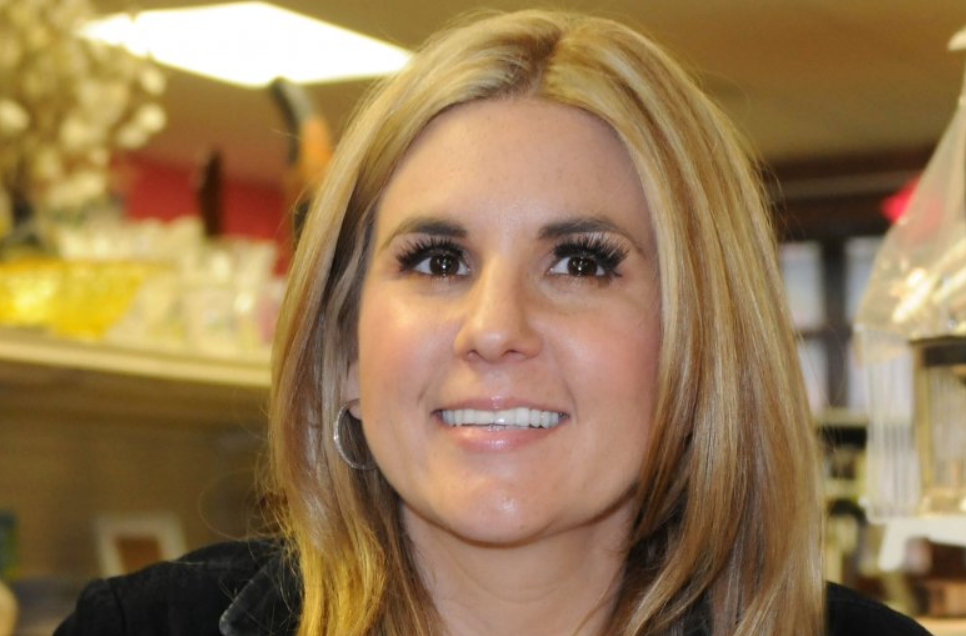
Brandi Passante, 45, Wears Possibly The Tiniest Bikini In America... Full recipe in First (𝒞.𝒪.𝑀.𝑀.𝐸.𝒩.𝒯) 👇👇

by


 Brandi Passante is best known for her role in reality television, where she became a familiar face through her work on programs centered around auctions and resale businesses. Her public image has largely been shaped by her professional journey rather than personal exposure.

Over the years, she has built recognition through steady appearances in the entertainment industry, particularly in shows that highlight everyday business deals and negotiations. Her presence on screen is often associated with practical thinking and a grounded personality.

Outside of television, she has maintained a relatively private lifestyle compared to many public figures. She has balanced public attention with a focus on personal responsibilities and day-to-day life away from cameras.

Her career path reflects consistency rather than sudden change. Instead of seeking constant visibility, she has remained connected to projects that align with her experience and interests in real-world business environments.

Viewers often recognize her for her straightforward approach in competitive situations. This has contributed to her long-standing presence in reality-based programming over the years.

Despite public recognition, she has not built her identity around constant media exposure. Instead, she has maintained a balance between professional appearances and a more private personal life.

Her journey also reflects how reality television personalities can transition into long-term public awareness without always staying in the constant spotlight. This type of career often depends on early visibility and lasting audience memory.

In more recent years, she has continued to be referenced in entertainment discussions, especially when reflecting on influential figures from earlier reality TV formats. Her role in that space remains part of her public identity.


Overall, her story represents a steady career built through television exposure, consistent participation, and a grounded approach to public life.

Around noon yesterday, I spotted something incredibly strange moving through the grass in my garden. 😱 Initially, I mistook it for a rope, but then I wondered, “What if it’s a snak… See more

by


 It was supposed to be an ordinary afternoon.

After a night of fierce winds, Hannah Morris stepped into her garden around noon to take care of a simple chore. The weather had finally settled, the grass was damp and slightly disheveled, and everything appeared to be exactly where it should have been.

Then she noticed something lying in the grass.

At first, there was nothing particularly alarming about it.

It looked like a piece of rope.

Dark. Long. Almost completely hidden among the blades of grass.

Hannah barely gave it a second thought.

Why would she?

Gardens collect strange objects all the time. A piece of string can blow in from somewhere nearby. A length of rope can become tangled in vegetation. A branch can fall during a storm and look surprisingly different from what it actually is.

After a night of strong winds, almost anything could have ended up in the yard.

But then the “rope” moved.

And in that instant, the ordinary afternoon changed completely.

What Hannah had assumed was an abandoned piece of material suddenly appeared to have a life of its own.

She stopped.

She looked again.

The object was still there, partially concealed by the grass.

Then came another movement.

That was when a much more unsettling possibility entered her mind.

What if it wasn't rope at all?

The Strange Object in the Grass

The discovery began with something so ordinary that it almost escaped notice.

Hannah was outside around noon when she spotted what appeared to be a dark object lying close to the ground. It was difficult to see clearly because the grass partly concealed it.

There was nothing immediately obvious to suggest that the object was alive.

From a distance, it could easily have been mistaken for rope.

That first impression is understandable.

When something is partially hidden, the human brain tends to make quick assumptions. We recognize familiar shapes before we have enough information to determine what we are actually looking at.

A dark line in the grass becomes a cable.

A shadow becomes a branch.

A strange shape becomes a piece of garden equipment.

Only when the object behaves differently from what we expect do we stop and reconsider.

That appears to be exactly what happened to Hannah.

She wasn't walking into the garden expecting to encounter wildlife.

She wasn't searching through the grass for anything unusual.

She simply saw something that looked harmless.

Then it moved.

One Movement Was All It Took

There are moments when a seemingly insignificant detail suddenly changes the entire meaning of a scene.

For Hannah, that moment came when the object shifted.

A rope doesn't move on its own.

At least, that's what the brain immediately tells us.

And yet, after a night of powerful winds, the possibility of movement could initially have been explained away.

Perhaps the wind was still disturbing something.

Perhaps a branch had shifted.

Perhaps the grass itself had moved.

But then came the question that makes the story so compelling:

What if the movement wasn't caused by the wind?

Hannah reportedly began wondering whether the object could actually be a snake.

That realization would have been enough to make anyone stop and reassess the situation.

The object had been lying almost invisibly beside the grass. It had blended into its surroundings so effectively that it could be mistaken for something completely harmless.

That is precisely what makes encounters like this so startling.

Wildlife doesn't always announce itself.

Sometimes it is right in front of us.

And sometimes we don't recognize what we're seeing until it moves.

The Garden Suddenly Felt Different

A garden can feel like an extension of the home.

It's familiar territory.

You know where the plants are. You know where the pathways lead. You know which areas receive the most sunlight. You may walk through the same space every day without giving much thought to what might be hiding nearby.

But gardens are also miniature ecosystems.

Grass provides cover.

Bushes create shelter.

Piles of leaves become hiding places.

Wood, stones, compost, and garden debris can create cool, protected spaces where wildlife can remain concealed.

A snake, if one is present, has no reason to make itself obvious.

Its survival depends on remaining unnoticed.

That means an animal lying quietly among grass can be remarkably difficult to distinguish from its surroundings.

For someone casually walking through the garden, the first indication that something is there may not be a visible head or obvious movement.

It may simply be a slight shift.

A ripple.

A change in position.

Something that makes you look twice.

And once you realize that the object is alive, your perception of the entire scene changes.

From Curiosity to Caution

Before the movement, Hannah was curious.

After the movement, caution became much more important.

That transition happens quickly when people encounter potentially dangerous wildlife.

The mind immediately starts asking questions.

How close am I?

Where is it?

Which direction is it moving?

Could there be another one nearby?

Is it actually a snake?

Is it trying to escape?

Should I move away?

Those questions are natural.

And in a situation involving an unidentified animal, keeping a safe distance is generally far wiser than trying to get close enough for a better look.

The temptation to investigate can be surprisingly strong.

People want answers.

They want to know what they saw.

They want a photograph.

They want to identify the animal.

But an unfamiliar creature should be treated cautiously until its identity is known.

That is especially true when the animal may be capable of biting or otherwise defending itself.

The Storm May Have Played a Role

The timing of the discovery also adds another layer to the story.

Hannah had just experienced a night of fierce winds.

Stormy weather can dramatically alter outdoor environments.

Branches fall.

Leaves accumulate.

Objects are blown into unfamiliar locations.

Vegetation bends and shifts.

Small animals may also change their behavior in response to weather.

For someone stepping into the garden the following day, the landscape can look subtly different.

That makes it even easier to misidentify something.

A branch displaced by the wind might look like an animal.

A piece of rope blown across the yard might appear to have been placed there deliberately.

And something that was already present could become more visible because the surrounding grass or leaves had been disturbed.

In Hannah's case, the storm created the perfect backdrop for a moment of confusion.

She saw something unfamiliar in a landscape that had already been rearranged by the weather.

At first, her brain supplied the simplest explanation.

Rope.

Then the object moved.

Why We Misidentify Things

There is a fascinating psychological reason that moments like this can happen.

Human perception isn't simply a matter of seeing everything exactly as it exists.

The brain constantly interprets what the eyes receive.

It uses previous experiences, expectations, shapes, colors, and context to make rapid judgments.

If you see a long, narrow object lying on the ground, your brain doesn't necessarily stop to conduct a scientific investigation.

It makes a quick classification.

Rope.

Branch.

Stick.

Garden hose.

And most of the time, that shortcut works.

The problem comes when the object doesn't belong to the category we initially assigned to it.

That's when a tiny movement can completely rewrite the scene.

The “rope” becomes a possible snake.

The harmless object becomes something that deserves distance.

And an ordinary garden becomes a place that suddenly requires much closer attention.

The Moment of Realization

There is something uniquely frightening about realizing that the thing you were casually approaching may have been alive the entire time.

Imagine walking toward an object without hesitation.

You're thinking about your garden.

You're thinking about the chore you're doing.

Perhaps you're thinking about something completely unrelated.

Then the object shifts.

Your attention snaps toward it.

For a moment, your brain tries to reject what your eyes are telling you.

Maybe it was the wind.

Maybe the grass moved.

Maybe you imagined it.

Then it happens again.

Now you know.

Whatever is lying there isn't behaving like rope.

And suddenly the distance between you and the object feels much smaller than it did a few seconds earlier.

That is the kind of moment that stays in someone's memory.

Not necessarily because something dramatic happened afterward, but because the brain experienced an instant reversal of expectation.

Something harmless wasn't necessarily harmless.

Something inanimate appeared to be alive.

And something familiar became uncertain.

The Hidden World Beneath the Grass

The episode also offers a reminder that our gardens are far more active than they appear.

Even when everything seems quiet, countless creatures may be moving through the vegetation.

Insects crawl beneath leaves.

Small mammals move through hidden pathways.

Birds search for food.

Amphibians shelter in damp areas.

Reptiles may remain motionless for long periods.

Most of this activity goes completely unnoticed.

We tend to think of the garden as empty because we only see the surface.

But the natural world rarely works that way.

Wildlife doesn't need to be visible to be present.

In fact, many creatures have evolved precisely to avoid being noticed.

Camouflage is one of nature's most effective survival strategies.

A creature that blends into grass, soil, leaves, or branches can remain unnoticed by predators—and by humans.

Until it moves.

What Should You Do If You See Something Similar?

The biggest practical lesson from Hannah's experience is simple: don't assume an unidentified object is harmless just because it looks harmless.

If something in the grass resembles a snake, it's best to keep your distance until you can identify it safely.

Don't poke it with a stick.

Don't attempt to pick it up.

Don't corner it.

And don't move closer simply to get a better photograph.

If necessary, move away and contact a local wildlife authority or other appropriate professional for advice.

Most snakes want to avoid people rather than confront them. A startled animal, however, may react defensively if it feels threatened.

That makes distance your friend.

The same principle applies to any unfamiliar wildlife.

You don't need to know exactly what an animal is before deciding to give it space.

The Power of a Second Look

What makes Hannah's story memorable is not necessarily the animal itself.

It's the realization.

She looked at something and thought she knew what it was.

Then she looked again.

That second look changed everything.

It's an experience many people can relate to.

A strange sound in the house turns out to be a falling object.

A shadow in the corner becomes a coat.

A mysterious noise outside becomes an animal.

Our first interpretation isn't always correct.

And occasionally, the second look reveals something we never expected.

In Hannah's case, the object in the grass reportedly looked so much like rope that she initially dismissed it.

Only movement forced her to reconsider.

That tiny movement was enough to transform an ordinary garden chore into a moment of genuine alarm.

The Image That Stays With You

There is something almost cinematic about the scene.

A quiet garden.

Grass moving gently after a night of harsh weather.

An unfamiliar dark shape lying low against the ground.

Someone approaching without concern.

Then—a movement.

The realization.

The sudden question:

“What if it's a snake?”

That question is the heart of the story.

Not because it provides a definitive answer, but because it captures the moment when certainty disappears.

For a few seconds, Hannah didn't know exactly what she was looking at.

And sometimes, that uncertainty is more unsettling than knowing the answer.

A Simple Afternoon With an Unexpected Ending

The day began normally.

Hannah stepped outside expecting nothing more dramatic than a routine garden chore.

Instead, she encountered something that immediately captured her attention.

A mysterious object had been lying almost invisibly in the grass, blending into the landscape after a night of strong winds.

At first, she thought it was rope.

Then it moved.

And suddenly, the garden didn't feel quite as ordinary.

The story is a reminder that nature doesn't always appear in obvious forms. Wildlife can be remarkably well hidden, especially in grass and vegetation. Sometimes the first clue that we're not looking at an ordinary object is nothing more than a small movement.

For Hannah, that movement was enough.

One second, she was looking at what seemed to be a harmless piece of rope.

The next, she was wondering whether she had unknowingly walked toward a snake.

And that may be the most unsettling part of the entire encounter.

The thing that frightened her wasn't something she saw clearly.

It was something she almost didn't see at all.

So the next time an unfamiliar object appears in your garden—especially after a storm—perhaps it's worth taking a second look.

Just don't take that second look too closely.

Because sometimes, what looks like a rope in the grass is something very different.